Opening Hook
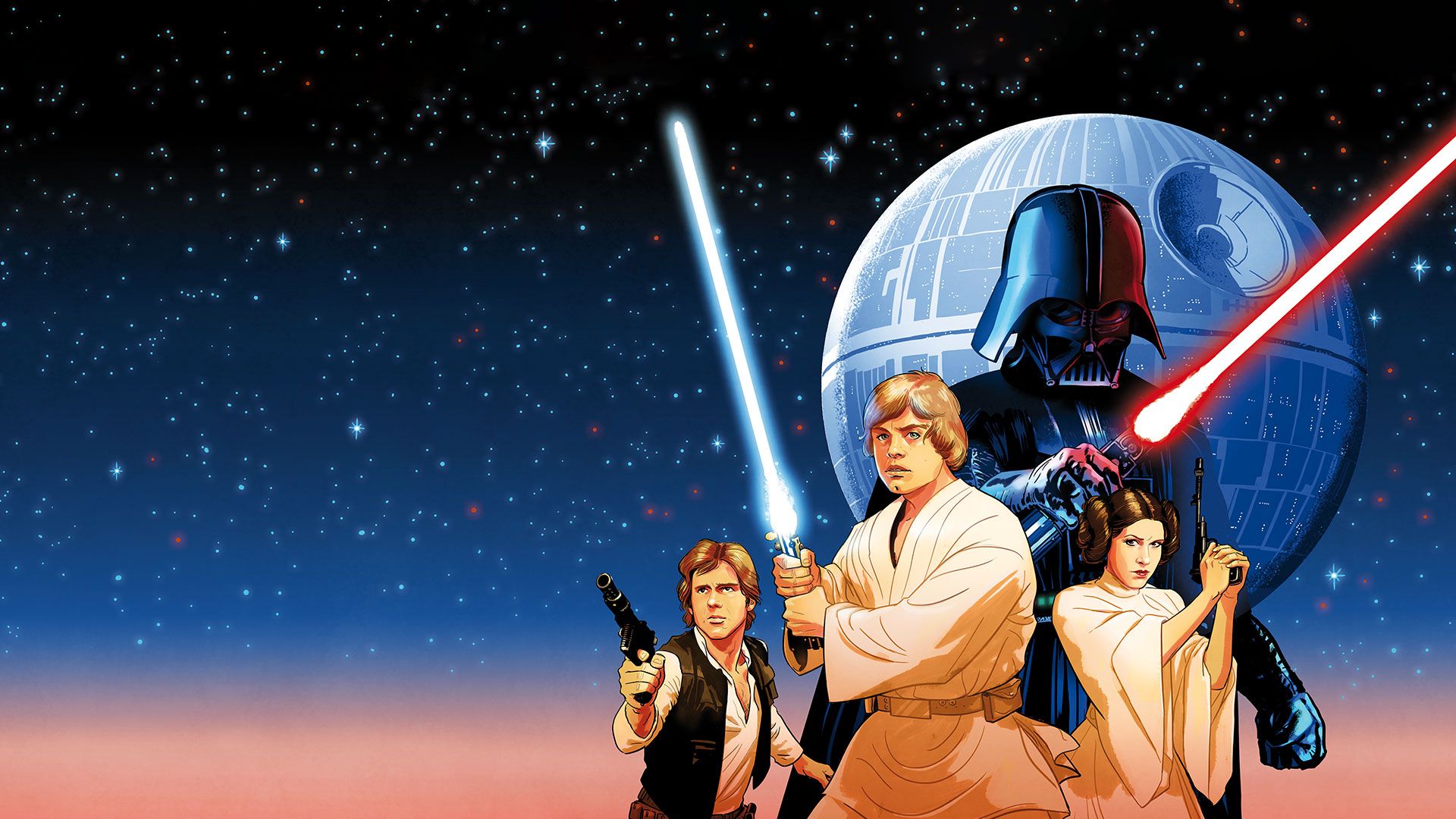
The trading card game market is a graveyard of ambition. For every Magic: The Gathering or Pokemon, there are dozens of would-be contenders that launched with fanfare and died within a year, their booster packs languishing in clearance bins. So when Fantasy Flight Games announced Star Wars: Unlimited, a brand-new TCG built from the ground up with the most valuable entertainment IP on the planet, the reaction was equal parts excitement and skepticism. Could anyone actually crack the code of making a new TCG that survives in a market dominated by entrenched juggernauts? After months of cracking boosters, building decks, and battling across kitchen tables and local game store tournaments, we believe Fantasy Flight has done something remarkable. Star Wars: Unlimited is not just a good Star Wars product dressed up as a card game. It is a genuinely excellent trading card game that happens to wear the Star Wars license with more grace and authenticity than any card game before it.
Overview
Star Wars: Unlimited is a two-player trading card game designed and published by Fantasy Flight Games, with its first set, "Spark of Rebellion," launching in March 2024 and subsequent sets expanding the card pool through 2025. The game puts players in command of iconic Star Wars leaders, from Luke Skywalker to Darth Vader, Grand Admiral Thrawn to Sabine Wren, each serving as a leader card that defines your deck's identity and strategy. The objective is deceptively simple: destroy your opponent's base before they destroy yours. Bases have thirty health points, and the game becomes a tug-of-war between aggressive assaults and defensive resource management. Starter decks retail for around thirty dollars and provide everything two players need to begin, while booster packs at roughly sixteen dollars per pack feed the collectible dragon that every TCG relies on. Fantasy Flight has supported the game aggressively with organized play events, a digital companion app, and a release cadence that keeps the meta evolving without overwhelming collectors.
Gameplay and Mechanics
The genius of Star Wars: Unlimited lies in its resource system, which solves one of the oldest problems in trading card game design. Instead of dedicated resource cards like Magic's lands, any card in your hand can be placed facedown as a resource during your turn. This means you are never mana-screwed or mana-flooded, the bane of every Magic player's existence, but you are constantly agonizing over which cards to sacrifice for resources and which to keep for their powerful effects. Every resource you play represents a card you will never get to use, and this opportunity cost creates a tension that permeates every single turn of the game. Do you resource that expensive unit now to ramp up faster, or hold it for its devastating late-game effect? These micro-decisions accumulate into macro-strategic differences that separate good players from great ones.
The action system uses an alternating structure where players take one action at a time, passing initiative back and forth. You can play a card from your hand, attack with a unit, use a leader ability, or take a special action granted by a card in play. This back-and-forth rhythm creates a dynamic, reactive gameplay experience that avoids the solitaire problem plaguing many TCGs where one player watches helplessly while the other executes a fifteen-minute combo turn. In Star Wars: Unlimited, you are always engaged, always responding, always making decisions. The tempo of a match feels like a lightsaber duel: thrust and parry, advance and retreat, with momentum shifting based on who reads the situation better.
The arena system divides the battlefield into ground and space zones, a thematic stroke of brilliance that adds genuine strategic depth. Ground units and space units operate in separate arenas, and each can only attack units in their own arena or the opponent's base. This dual-front structure forces players to manage two simultaneous conflicts, and the interplay between ground and space strategies creates matchup complexity that rewards deckbuilding creativity. A deck that dominates on the ground might be vulnerable to a space-focused blitz, and the best decks find ways to threaten both arenas simultaneously. The leader and base cards add another layer, as each leader has unique abilities and an "epic action" that lets them deploy as a unit, fundamentally shifting the power dynamics of the late game.
Shield tokens provide a simple but effective defensive mechanic: a shielded unit ignores the first instance of damage it receives, then loses the shield. Combined with sentinel units that force opponents to attack them first, the defensive toolkit gives players meaningful ways to protect key assets and create board positions that opponents must solve rather than simply overwhelm. The combination of offensive pressure, defensive positioning, and resource management creates a game with remarkable strategic depth for something that teaches in fifteen minutes and plays in under thirty.
Presentation
Star Wars: Unlimited is one of the most visually stunning card games ever produced. The full-art card variants, called Hyperspace cards, feature spectacular original artwork that reinterprets iconic Star Wars moments and characters with a painterly quality that transcends the usual TCG aesthetic. Even the standard card frames are clean, readable, and attractive, with a design language that clearly communicates card type, cost, power, and abilities at a glance. The use of landscape orientation for base and leader cards creates a visual distinction that reinforces the mechanical importance of these card types. We have spoken with multiple players who started collecting Star Wars: Unlimited purely for the artwork, and we understand the impulse completely.
The card stock quality is excellent, with a smooth finish that shuffles well and holds up to repeated play. Fantasy Flight includes token sheets in starter products, though the aftermarket has produced superior acrylic and metal alternatives for serious players. The starter deck packaging is well-designed, with built-in deck boxes that serve as functional storage for casual players. The rules insert is concise and clear, with a companion quick-start guide that walks new players through their first game step by step. Fantasy Flight's companion app provides deck building tools, a card database, and tournament information, rounding out a presentation package that feels polished and professional from top to bottom. If there is a weakness in the presentation, it is that the booster pack collation can feel stingy, with the ratio of common to rare cards sometimes requiring significant investment to build competitive decks.
Content and Value
The value proposition of any trading card game is complicated by its collectible nature, and Star Wars: Unlimited is no exception. The thirty-dollar starter decks are an outstanding entry point, providing two functional decks, a learn-to-play guide, and enough strategic depth to entertain for dozens of games before the itch to expand your collection sets in. For casual players who never buy a single booster, the starters alone represent excellent value. The problem, as with all TCGs, is that competitive play demands investment. Building a top-tier tournament deck requires specific rare and legendary cards, and acquiring them through booster packs is subject to the randomness of pack collation. The secondary singles market helps, but flagship cards from sought-after leaders can command premium prices.
Fantasy Flight has mitigated the cost barrier somewhat through thoughtful set design. Many competitively viable decks can be built primarily from common and uncommon cards, and the organized play prize structure rewards participation over pure collection size. The release cadence of roughly three main sets per year, supplemented by smaller products, keeps the game fresh without demanding the constant financial commitment that some competitors require. For a TCG, Star Wars: Unlimited is among the more accessible in terms of cost to compete, though "accessible" in TCG terms still means a meaningful financial investment for serious players. We estimate that building a single competitive deck from singles runs between fifty and one hundred dollars, which is reasonable by TCG standards but still a consideration for budget-conscious gamers.
What Works and What Doesn't
Star Wars: Unlimited excels at accessibility without sacrificing depth. The resource system eliminates one of the most frustrating aspects of traditional TCGs while creating its own compelling decision space. The alternating action structure keeps both players engaged throughout the entire game. The dual arena system provides thematic richness and strategic complexity in equal measure. The production values are extraordinary, with card art that rivals the best in the industry. The organized play support has been strong from launch, building a competitive community that feels welcoming to newcomers while providing depth for enfranchised players.
The collectible model remains the game's most significant weakness. While Fantasy Flight has been more generous than some competitors, the randomness of booster packs and the cost of building competitive decks create a financial barrier that pure board games do not impose. The meta has experienced some balance turbulence, with certain leader and strategy combinations dominating tournament results before correction through new set releases and ban list adjustments. The two-player-only format limits the game's social versatility compared to multiplayer card games, and the lack of a robust digital client means that practice between physical sessions requires third-party tools. These are standard TCG complaints rather than specific failings, but they are worth noting for gamers considering their first foray into the trading card game space.
Pros
- Accessible entry point with brilliant resource system
- Gorgeous full-art cards with stunning original artwork
- Strategic depth emerges quickly from simple rules
- Strong organized play support and growing community
Cons
- Collecting can get expensive for competitive play
- Some balance issues in the evolving meta
- Limited formats at launch still being expanded
- Storage solutions needed for growing collections
Final Verdict
Star Wars: Unlimited is the most impressive new trading card game to launch in over a decade. It takes the lessons learned from decades of TCG design history and applies them with intelligence, elegance, and a deep reverence for the Star Wars universe. The resource system is a genuine innovation that eliminates frustration while creating meaningful choices. The dual arena structure is both thematically resonant and strategically rich. The production values set a new standard for the industry. Yes, it carries the inherent complications of the collectible model, and yes, the meta will continue to evolve in ways that occasionally frustrate. But the core of Star Wars: Unlimited is so fundamentally sound, so elegantly designed, and so deeply satisfying to play that we believe it has genuine staying power in a market that devours pretenders. Whether you are a Star Wars fan curious about card games, a lapsed TCG player looking for a fresh start, or a competitive card game veteran seeking your next obsession, Star Wars: Unlimited deserves your attention. The Force is strong with this one, and we mean that without a shred of irony.