Opening Hook
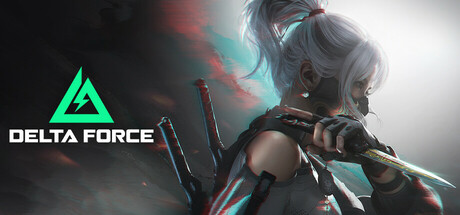
The Delta Force name carries weight for a certain generation of PC gamers. NovaLogic's original tactical shooters were a staple of early 2000s LAN parties, offering a grittier, more simulation-leaning alternative to the arcade-flavored shooters of the era. So when Tencent's TiMi Studio Group announced they were reviving the franchise as a free-to-play, multi-mode military shooter, the reaction was a predictable mix of nostalgia-fueled excitement and skepticism. Having spent extensive time with Delta Force across its various modes, we can report that the truth lands somewhere in between those extremes. This is a competent, occasionally impressive shooter with genuinely polished gunplay and an admirable amount of content at launch — but it is also a game that struggles to carve out a distinct identity in an oversaturated market, weighed down by monetization choices that test player patience as much as enemy bullets do.
Overview
Delta Force, developed by TiMi Studio Group and published by Tencent, launched as a free-to-play shooter in late 2024 and continued rolling out content and platform expansions into early 2025. Rather than focusing on a single multiplayer mode, TiMi made the ambitious decision to build what is essentially three games under one roof: Hazard Operations, an extraction shooter in the mold of Escape from Tarkov; Havoc Warfare, a large-scale 32v32 battlefield experience; and a remastered version of the classic Black Hawk Down campaign from the original Delta Force series. The game is available on PC, PS5, Xbox Series X, and mobile, with cross-platform play connecting all of these audiences.
It is a staggering amount of content for a free-to-play launch, and TiMi clearly spent years building the technical foundation to support it. The question, though, is whether breadth can compensate for the depth and identity issues that emerge when you try to be everything to everyone in a genre where specialization usually wins.
Gameplay and Mechanics
The strongest card in Delta Force's hand is its gunplay. Weapons feel punchy and responsive, with satisfying recoil patterns that reward players who take the time to learn each firearm's behavior. The weapon modding system is extensive, allowing you to customize attachments across barrels, stocks, grips, scopes, and magazines, all of which meaningfully impact handling. Shooting a tuned AK variant in close quarters feels tangibly different from running a kitted-out DMR at range, and this tactile quality to the weapons is genuinely impressive for a free-to-play title.
Hazard Operations is the headline mode and the most interesting of the three offerings. Teams of players deploy into large open maps, complete objectives, collect loot, and must extract before time runs out — all while contending with AI enemies and hostile player squads. The tension of carrying valuable gear toward an extraction point while listening for approaching footsteps is real, and when the mode works, it delivers the high-stakes thrill that extraction shooter fans crave. The problem is that it currently ships with a limited map rotation, and the environments, while technically competent, feel generically military in a way that blurs together after repeated play. Compared to the distinctive, atmospheric locales of Tarkov or even the DMZ mode from Warzone, Delta Force's extraction maps lack personality.
Havoc Warfare is the large-scale mode, and it delivers chaotic 32v32 battles with vehicles, destructible elements, and objective-based gameplay that will feel immediately familiar to Battlefield veterans. It is loud, explosive, and fun in short bursts, but it lacks the systemic depth and emergent moments that make the best large-scale shooters memorable. Vehicles feel floaty and imprecise, the map design funnels players into predictable chokepoints, and the class system, while functional, does not encourage the kind of squad coordination that elevates games like Squad or Hell Let Loose.
The Black Hawk Down campaign is a welcome nostalgia trip, offering remastered missions from the original game with modernized graphics and controls. It is a faithful recreation that older fans will appreciate, though it also highlights how mission design has evolved since the early 2000s. The AI is noticeably outdated despite the visual facelift, and the missions feel linear and scripted compared to modern single-player shooters. Still, as a bonus included in a free-to-play package, it is a generous addition that shows respect for the franchise's history.
Presentation
Visually, Delta Force is solid without being spectacular. The Unreal Engine-powered environments are detailed and well-lit, with convincing weather effects and particle work during firefights. Character models and weapon renders are high quality, and the game runs smoothly across all platforms we tested. The problem is aesthetic rather than technical: everything looks like a military shooter. The color palette is dominated by desert tans, urban grays, and jungle greens in configurations we have seen in dozens of other games. There is no visual hook, no art direction choice that makes Delta Force's world feel distinct from the competition.
Audio fares better. Weapon sounds are meaty and varied, with clear distinctions between calibers and engagement distances. The spatial audio is functional, which is critical for the extraction mode where sound cues can mean the difference between a successful extract and losing everything. The soundtrack is largely forgettable military fare — orchestral swells and tense electronic beats that serve the mood without ever standing out. The UI is clean and functional, though the sheer volume of menus, currencies, and progression tracks can feel overwhelming for new players navigating the free-to-play infrastructure.
Content and Value
As a free-to-play game, Delta Force technically offers excellent value. Three distinct game modes, a single-player campaign, cross-platform play, and regular content updates represent a significant investment from TiMi. However, the monetization model casts a shadow over this generosity. The game employs a multi-currency system with a battle pass, rotating store items, and weapon skins that range from reasonably priced to eyebrow-raising. While nothing we encountered was strictly pay-to-win — all gameplay-affecting items can be earned through play — the grind to unlock certain weapons and attachments without spending money is noticeably slower than it should be, creating a friction that feels deliberately calibrated to encourage spending.
Server stability varies by region. Our North American experience was generally smooth, but we have seen widespread reports of latency issues in Southeast Asian and European servers, particularly during peak hours. For a game backed by Tencent's resources, this inconsistency is disappointing and needs to be addressed if the game hopes to maintain a global player base. Content updates have been steady since launch, with new maps, weapons, and seasonal events arriving on a regular cadence, which suggests TiMi is committed to the long haul even if the launch experience was uneven.
What Works and What Does Not
Delta Force's gunplay is its strongest asset, delivering a tactile and rewarding shooting experience that stands with the best in the free-to-play space. The ambition of offering three modes plus a campaign under one free umbrella is commendable, and Hazard Operations shows genuine potential as a more accessible entry point into the extraction shooter genre. Cross-platform support is seamless and well-implemented, and the Black Hawk Down campaign is a smart nostalgia play that adds legitimate value.
On the other side of the ledger, the game's biggest weakness is its lack of identity. In a market dominated by established franchises with years of content and community investment, Delta Force needed a strong visual or mechanical hook to stand out, and it does not have one. The extraction mode needs more maps and more environmental diversity to compete with its peers. The monetization, while not predatory, crosses the line from acceptable to annoying frequently enough to sour the experience. And the regional server issues are a real barrier for a significant portion of the potential player base.
Pros
- Polished gunplay
- Multiple mode variety
- Classic campaign is nostalgic
- Cross-platform support
Cons
- Generic military aesthetic
- Extraction mode needs more maps
- Monetization is aggressive
- Server issues in some regions
Final Verdict
Delta Force is a competent shooter that does several things well but nothing exceptionally. TiMi Studio Group has built a technically solid foundation with genuinely enjoyable gunplay and an ambitious multi-mode structure that gives players plenty of reasons to log in. The Black Hawk Down campaign is a welcome bonus, and Hazard Operations has the potential to become a standout extraction experience with more map variety and polish. But the game's generic aesthetic, aggressive monetization tendencies, and regional server inconsistencies hold it back from reaching the heights its ambition suggests. If you are looking for a free-to-play shooter with a lot of content and solid fundamentals, Delta Force delivers. If you are looking for a game that will make you forget about Tarkov, Warzone, or Battlefield, this is not quite it — at least not yet. We give Delta Force a 7.1 out of 10, reflecting a good game with clear room to grow.