Opening Hook
Leave it to Ryu Ga Gotoku Studio to look at their beloved Yakuza franchise and think, "You know what this needs? Pirates." And somehow, against all logic and reason, it works brilliantly. Like a Dragon: Pirate Yakuza in Hawaii is the kind of game that only this studio could make -- a fever dream mashup of street brawling, naval warfare, tropical exploration, and absurdist humor that has absolutely no right being as cohesive and entertaining as it is. We went in expecting a quirky spinoff and came out having experienced one of the most joyfully unhinged games of 2025. If you have ever wanted to see a former yakuza enforcer command a pirate ship while wearing a Hawaiian shirt and wielding dual cutlasses, congratulations -- your incredibly specific wish has been granted.
Overview
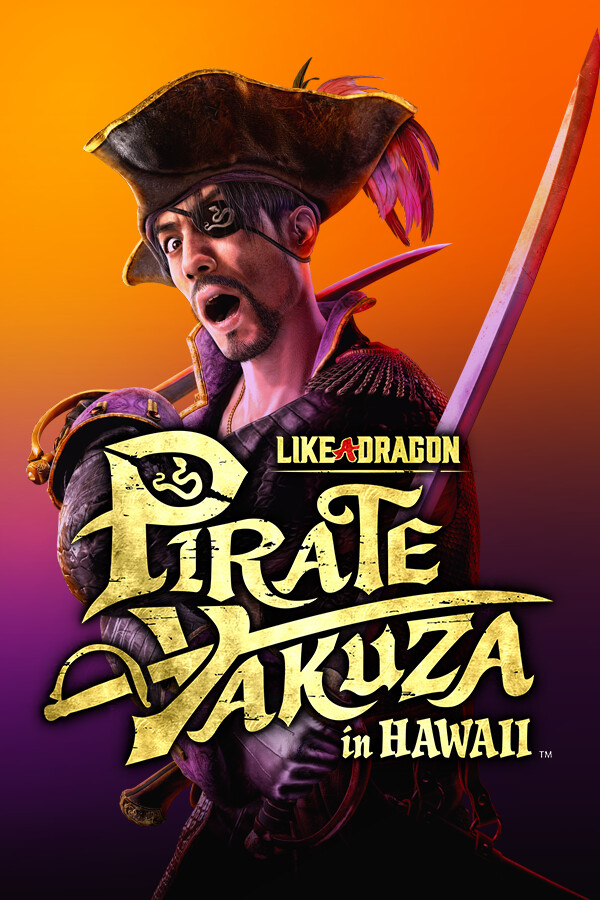
Like a Dragon: Pirate Yakuza in Hawaii is a standalone action RPG from Ryu Ga Gotoku Studio, published by Sega and released on February 21, 2025, for PS5, Xbox Series X, and PC. The game stars Goro Majima, the fan-favorite "Mad Dog of Shimano," who washes ashore on a remote island near Hawaii with amnesia -- because of course he does. What follows is a sprawling adventure that sees Majima assembling a ragtag crew of misfits, commandeering a ship, and carving out his own pirate legend across the Hawaiian archipelago. The game blends the series' trademark real-time brawler combat with a full-fledged naval combat system, complete with ship upgrades, crew management, and open-sea exploration. It sits comfortably alongside the main Like a Dragon series as a companion piece rather than a direct sequel, making it accessible to newcomers while rewarding long-time fans with callbacks and returning characters.
Gameplay & Mechanics
The core gameplay loop in Pirate Yakuza splits neatly into two halves: on-land brawling and on-sea combat, and both are handled with the studio's signature confidence. On foot, Majima fights using two distinct styles -- Mad Dog, his classic knife-wielding chaos style that fans know and love, and Sea Dog, a new cutlass-and-pistol pirate style that trades precision for flashy, wide-sweeping attacks. Switching between styles mid-combo is fluid and satisfying, and the heat actions (now called "Pirate Frenzy" moves) are some of the most spectacularly over-the-top finishers the series has ever produced. We lost count of how many times we audibly laughed at the sheer absurdity of some of these animations.
The naval combat is where the game truly stakes its claim as something new. Commanding your ship, the Goromaru, across the open waters of Hawaii feels genuinely thrilling. You can engage enemy vessels with broadside cannons, ram them head-on, or close the distance for boarding actions that transition seamlessly into hand-to-hand combat on the enemy deck. The ship handles with a satisfying weight -- it is not arcade-fast, but it is responsive enough that maneuvering through cannon fire and lining up your own shots feels rewarding rather than tedious. Crew members you recruit throughout the story each bring unique passive and active abilities to naval encounters, adding a layer of strategy to what could have been a simple "aim and shoot" affair.
Where the naval side stumbles is in ship customization. While you can upgrade your cannons, hull, and speed, the options feel disappointingly limited compared to the depth of the on-foot combat system. We kept waiting for a wider array of ship types or more exotic weapon loadouts, but the game keeps things relatively conservative here. It is a missed opportunity in an otherwise inventive design. The substories, however, are vintage Ryu Ga Gotoku excellence -- ranging from helping a retired sumo wrestler open a shaved ice stand to uncovering a conspiracy involving a group of surfing monks. These side activities are where the game's personality shines brightest, and we found ourselves chasing substory markers more eagerly than main objectives.
Presentation
Visually, Pirate Yakuza in Hawaii is a gorgeous game, particularly when it comes to the Hawaiian setting. The studio has recreated a fictionalized version of the archipelago that bursts with color -- turquoise waters, lush volcanic landscapes, vibrant town centers, and sunsets that genuinely make you pause to take screenshots. Character models maintain the series' high standard, with Majima's expressions being particularly impressive. The man conveys more personality in a single eyebrow raise than most protagonists manage in an entire game.
The soundtrack is a highlight, blending traditional Yakuza guitar-driven combat tracks with tropical instrumentation, sea shanties (yes, your crew sings shanties), and surprisingly emotional orchestral pieces for the story's quieter moments. Voice acting is exclusively in Japanese with English subtitles, and the performances are universally excellent. The UI is clean and functional, though navigating the ship upgrade menus could use some streamlining. Our main gripe on the presentation side is that frame rates do take noticeable dips during large-scale sea battles with multiple ships on screen, particularly on console. It never becomes unplayable, but it does break the immersion during what should be the game's most cinematic moments.
Content & Value
For a spinoff title priced at $59.99, Pirate Yakuza in Hawaii offers a generous amount of content. The main story runs approximately 25 to 30 hours, but completionists will easily spend 50 or more hours tracking down every substory, treasure map, hidden island, and collectible. The game features a full suite of minigames, including a surprisingly deep fishing system, a card game called "Pirate's Gambit" that could practically be its own standalone release, karaoke (naturally), and ship racing time trials. There is also a New Game Plus mode that carries over your ship upgrades and unlocked fighting styles, adding genuine replay incentive.
The treasure hunting system deserves special mention -- scattered across the map are cryptic treasure maps that lead to hidden coves and underwater caves, some of which contain unique weapons and ship parts. It is a simple loop, but it leverages the beautiful open-world setting perfectly and kept us exploring long after the credits rolled. For value per dollar, this is one of the better propositions in the action RPG space this year, especially when stacked against the $69.99 standard that many publishers have adopted.
What Works & What Doesn't
What works here is the sheer audacity and execution of the premise. Ryu Ga Gotoku Studio took a concept that sounds like a joke and built a mechanically sound, narratively engaging, and deeply charming game around it. Majima is a perfect protagonist for this kind of adventure -- his unhinged energy matches the pirate fantasy beautifully. The substories are among the series' best, the combat is tight and varied, and the Hawaiian setting is a refreshing change from the usual urban Japanese environments.
What does not work as well is the pacing in the middle third of the story, where the game pads things out with some repetitive fetch quests and mandatory naval encounters against enemy fleets that feel more like filler than meaningful progression. Ship customization, as mentioned, is shallower than it should be. And while we can forgive some technical roughness, the frame rate issues during sea battles are disappointing given how central naval combat is to the experience.
Pros
- Absurdly fun premise executed with confidence
- Excellent naval combat that feels genuinely fresh
- Classic Yakuza charm and humor throughout
- Outstanding substories that reward exploration
Cons
- Ship customization feels limited in scope
- Some filler content bogs down the middle act
- Frame rate dips during large sea battles
Final Verdict
Like a Dragon: Pirate Yakuza in Hawaii is the kind of bold, wildly creative swing that the gaming industry needs more of. It is not a perfect game -- the ship customization could be deeper, the pacing sags in places, and the performance hiccups are hard to ignore. But when it is firing on all cylinders, which is the majority of its runtime, it delivers an experience that is uniquely, undeniably joyful. Majima's pirate saga is funny, heartfelt, mechanically satisfying, and packed with content. If you are a fan of the Yakuza series, this is an essential play. If you are new to the franchise, it is one of the most welcoming entry points in years. We came for the absurdity and stayed for the genuinely great game underneath it. Ryu Ga Gotoku Studio has done it again -- they have turned a ridiculous idea into something truly excellent.